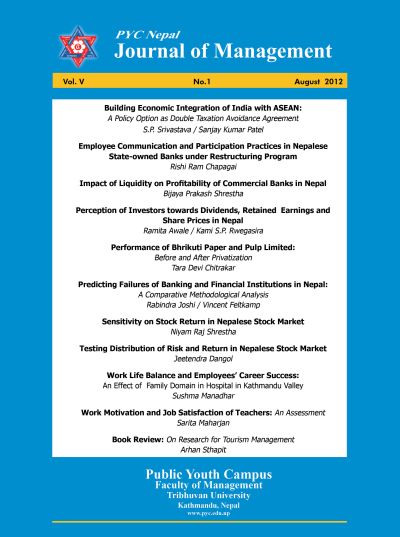
Building Economic Integration of India with ASEAN: A Policy Option as Double Taxation Avoidance Agreement
Keywords:
economic integration, globalisation, technology transfer, trade practices, tax avoidance, public policyAbstract
There is no more important global economic public policy today than that of economic integration. It builds economic co-operation through the transfer of new technologies, capital, process products and fair trade practice, and as such provide a strong impetus to economic development. But Increasing integration between the economies and the steady growth of globalisation has some potential to lead to greater opportunities for tax evasion and avoidance. Tax co-operation is the key of successive economic integration between countries and Double Taxation Avoidance Agreement (DTAA) is a means of tax co-operation and creates hurdles for tax evasion and avoidance. This paper assesses the impact of double taxation avoidance agreement on economic integration and multinational activity.
Downloads
Published
How to Cite
Issue
Section
License
© Public Youth Campus

