Impact of AI-Based Tools on Writing Skills
Keywords:
Educational technology, Artificial intelligence, Language learning, Writing improvement, Academic writing, Over-reliance on TechnologyAbstract
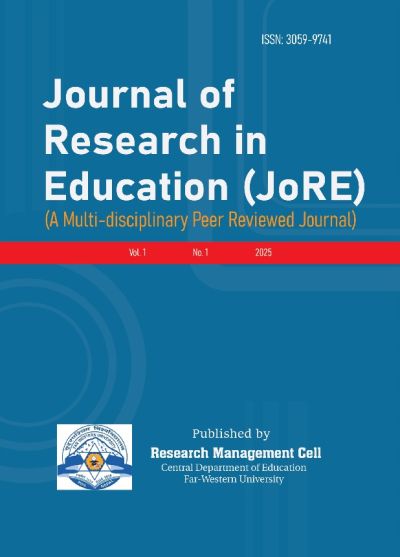
The increasing presence of artificial intelligence (AI) in education has led to the widespread use of AI writing assistants like Grammarly, QuillBot, and GPT-based tools. These tools promise to enhance writing quality by improving grammar, style, and clarity. However, their effects on long-term writing skills, particularly in academic settings, remain a topic of concern. This study investigates the impact of AI writing assistants on the writing skills of 100 English Language and Literature students at Kabul University. As their writing teacher, I conducted this research using a structured questionnaire to collect data about students' usage patterns, experiences, and perceptions of AI writing assistants. The results show that while students benefit from AI tools in terms of grammar and productivity, many express concerns about over-reliance and reduced critical thinking in writing. This research provides valuable insights into the role of AI in academic writing and offers recommendations for integrating AI tools without compromising skill development.
Downloads
Published
How to Cite
Issue
Section
License
Copyright (c) 2025 The Author(s)

This work is licensed under a Creative Commons Attribution-NonCommercial 4.0 International License.
This license enables reusers to distribute, remix, adapt, and build upon the material in any medium or format for noncommercial purposes only, and only so long as attribution is given to the creator.

